
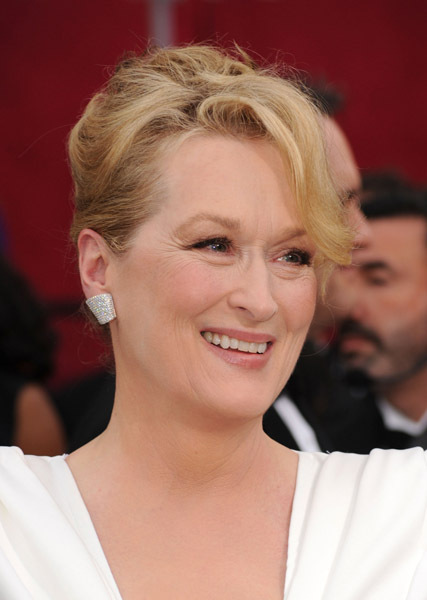
Meryl Streep
Birthdate: Jun 22, 1949
Birthplace: Summit, New Jersey, USA
Meryl Streep (birthname: Mary Louise Streep), often regarded as the greatest American film actor of her generation, has built a career of technical brilliance and durability, including being the most-nominated performer in Oscar history, and is widely acknowledged as part of the pantheon of great film movie star-actors, including Bette Davis, Lillian Gish, James Stewart, Henry Fonda, and Robert De Niro.
Streep made a striking debut in a supporting role under Fred Zinnemann’s direction in Julia (1977), writer Alvin Sargent’s Oscar-winning screen adaptation of Lillian Hellman’s 1973 book, Pentimento, starring Jane Fonda, Vanessa Redgrave (Best Supporting Actress Oscar winner), Jason Robards (Best Supporting Actor Oscar winner), Hal Holbrook, Rosemary Murphy and Maximilian Schell, produced and released by 20th Century Fox to a $20.7 million gross.
Streep earned her first Oscar nomination for her supporting performance in Michael Cimino’s Vietnam-era drama, The Deer Hunter (1978), starring Robert De Niro, John Cazale, John Savage and Christopher Walken (Oscar winner for Best Supporting Actor), winning five of nine nominated Oscars including Best Picture and Best Director, earning an excellent (based on estimated costs) $49 million gross for producer EMI Films and distributor Universal Pictures. Streep was cast by director/co-writer/lead Woody Allen for a supporting role in his acclaimed black-and-white rom-com, Manhattan (1979), co-starring Diane Keaton, Michael Murphy, Mariel Hemingway, and Anne Byrne, and proving one of Allen’s most profitable movies with over $40 million in grosses.
Meryl Streep had her first co-starring role under Jerry Schatzberg’s direction in the Alan Alda-starring and written political drama, The Seduction of Joe Tynan (1979), co-starring Barbara Harris, Rip Torn, and Melvyn Douglas, earning an excellent (based on estimated costs) $19.5 million for Universal Pictures. Streep won her first Oscar (for Supporting Actress) for her charged role opposite Dustin Hoffman in director/writer Robert Benton’s marital drama, Kramer vs. Kramer (1979), based on Avery Corman’s 1977 novel, and which made a near-clean sweep of the major Academy Awards with five wins and became a massive hit ($173 million) for Columbia Pictures.
Streep was the face above the title and was nominated for her first Best Actress Oscar for her beautiful performance as Sarah/Anna opposite Jeremy Irons in director Karel Reisz’s and screenwriter Harold Pinter’s long-awaited screen adaptation of John Fowles’s best-selling post- modern 1969 novel, The French Lieutenant’s Woman (1981), with David Warner and Hilton McRae, earning rave reviews, five Oscar nominations (including for Pinter) and $27 million for United Artists. Streep reunited with director/writer Robert Benton and co-starred with Roy Scheider in the Hitchcockian thriller Still of the Night (1982), with Jessica Tandy and Josef Sommer, produced by UA and a losing proposition for MGM, grossing $6 million at the box office.
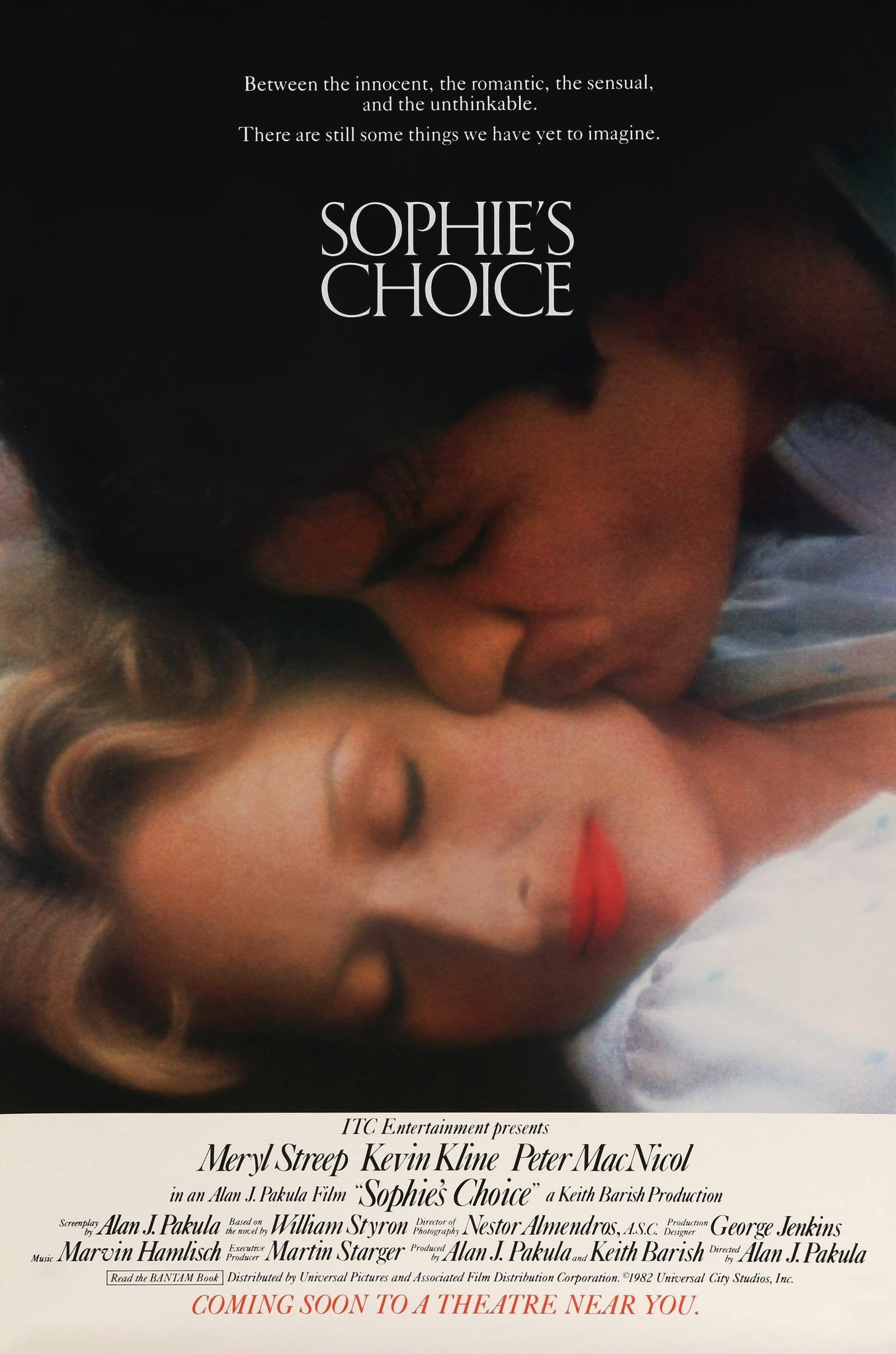
Meryl Streep won her first Best Actress Oscar for her stunning performance in director/writer Alan J. Pakula’s big-screen version of William Styron’s 1979 novel, Sophie’s Choice (1982), with Kevin Kline and Peter MacNicol, and which was produced by ITC Entertainment/Keith Barish Productions and released by Universal Pictures/Associated Film Distribution to a $30 million budget. Streep then portrayed her first of several actual figures and starred in her first Mike Nichols-directed movie, Silkwood (1983), co-written by Nora Ephron and Alice Arlen, earning Streep her third Best Actress Oscar nomination, co-starring Kurt Russell and Cher, and delivering a solid $35.6 million return for 20th Century Fox.
Streep reunited with Robert De Niro as co-stars of director Ulu Grosbard’s and writer Michael Cristofer’s drama, Falling in Love (1984), with Dianne Wiest, David Clennon, Jane Kaczmarek, George Martin and Harvey Keitel, and though it co-starred the two most acclaimed actor-stars of their generation, it bombed at the box office ($11 million) for Paramount Pictures and received mixed to poor reviews. Streep starred in the dominant lead role in director Fred Schepisi’s screen version of screenwriter David Hare’s adaptation of his play, Plenty (1985), co-starring Charles Dance, Tracey Ullman, John Gielgud, Sting, Ian McKellen, and Sam Neill, but grossing only $6.1 million for distributor 20th Century Fox.
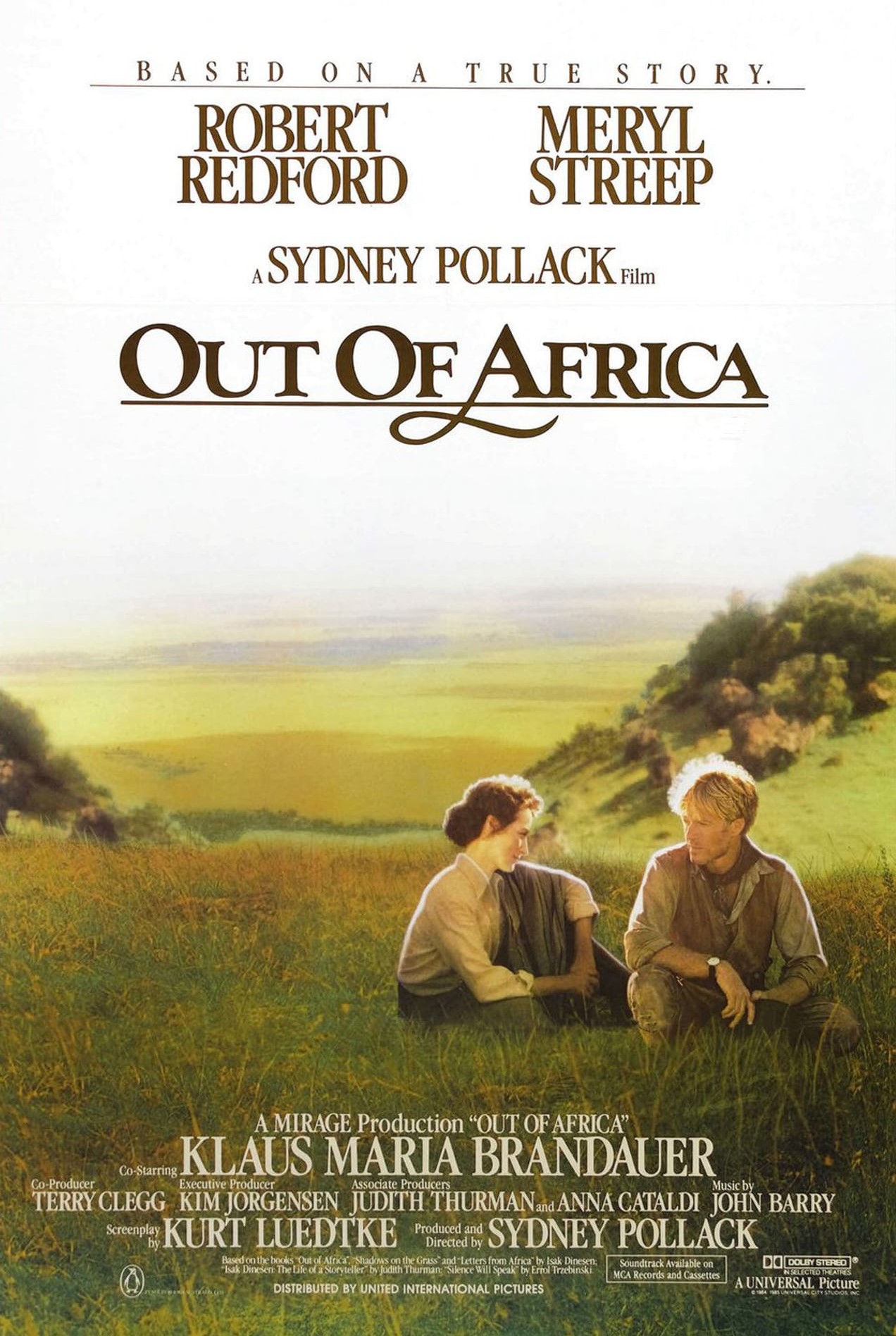
Meryl Streep continued her astonishing string of Best Actress Oscar nominations with yet another for her role as author Karen Blixen co-starring with Robert Redford in Oscar-winning director/producer Sydney Pollack’s Best Picture-winning drama, Out of Africa (1985), written by Kurt Luedtke, with Klaus Maria Brandauer, winning seven total Oscars and grossing a terrific (based on estimated costs) $227.5 million gross for Universal Pictures. Streep rejoined director/producer Mike Nichols and co-starred with Jack Nicholson in screenwriter Nora Ephron’s adaptation of her 1983 novel, Heartburn (1986), with Stockard Channing, Jeff Daniels, Milos Forman, Catherine O’Hara, Maureen Stapleton, and Kevin Spacey, faring better with audiences ($52.6 million gross) than critics, with Paramount Pictures releasing.
Streep had another Best Actress Oscar nomination and her second consecutive co-starring movie with Nicholson and by a screenwriter adapting their own novel—in this case screenwriter/novelist William Nicholson—for Ironweed (1987), with Carroll Baker, Michael O’Keefe, Fred Gwynne, Diane Venora and Tom Waits under Hector Babenco’s direction, but bombing at the box office (based on estimated costs) for Tri-Star Pictures. Streep earned her sixth Best Actress Oscar nomination in the 1980s for her magnificent performance opposite Sam Neill in director/co-writer Fred Schepisi’s Australian drama, A Cry in the Dark (1988), based on John Bryson’s 1985 true-crime book, and released by Warner Bros. Pictures (U.S.)/Roadshow Distributors (Australia)/Cannon Films (International).
Meryl Streep starred in her first broad comedy with debuting Roseanne Barr in in director/producer Susan Seidelman’s She-Devil (1989), co-starring Ed Begley Jr., Sylvia Miles and Linda Hunt, grossing $15.4 million for producer-distributor Orion Pictures, and then Streep landed her seventh Best Actress Oscar nomination in her third movie with director/producer Mike Nichols’ screen version of Carrie Fisher’s 1987 memoir, Postcards from the Edge (1990), co-starring Shirley MacLaine, Dennis Quaid, Gene Hackman, Richard Dreyfuss, Rob Reiner, Annette Bening, Simon Callow, CCH Pounder and Oliver Platt, and earning over $63 million box office for producer-distributor Columbia Pictures.
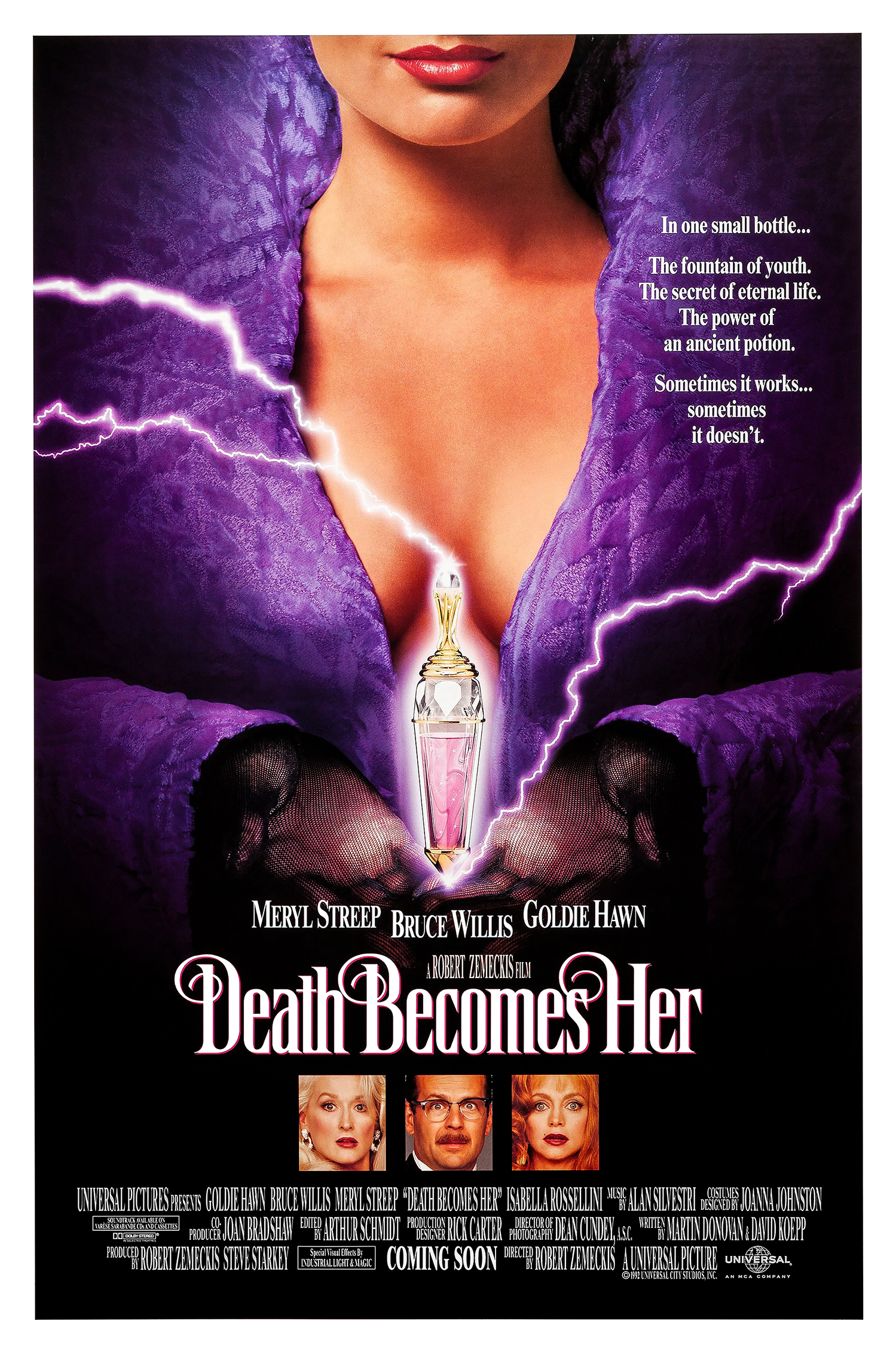
Streep joined star/director/writer Albert Brooks for his romantic comedy fantasy, Defending Your Life (1991), with Rip Torn, Lee Grant, and Buck Henry, produced by The Geffen Film Company and released to disappointing box office results (based on estimated costs) for Warner Bros. Pictures with $16.4 million. Streep stayed in fantasy mode when she co-starred above the title with Bruce Willis and Goldie Hawn in director/producer Robert Zemeckis’s dark fantasy, Death Becomes Her (1992), co-starring Isabella Rossellini, Ian Ogilvy, Adam Storke, and Mary Ellen Trainor, and which proved to be a cult hit for Universal Pictures with a $149 million return.
Meryl Streep led the distinguished ensemble for director/writer Bille August’s drama based on Isabel Allende’s 1982 novel, The House of the Spirits (1993), co-starring Jeremy Irons, Glenn Close, Winona Ryder, Antonio Banderas, Armin Mueller-Stahl, Maria Conchita Alonso and Vanessa Redgrave, produced by Bernd Eichinger and Neue Constantin Film, which also released in Germany with Warner Bros. handling distribution internationally for good results ($61 million total) everywhere except the U.S. Streep starred in her first thriller (and earned Globe and SAG Best Actress award nominations) in The River Wild (1994), co-starring Kevin Bacon, David Strathairn, Joseph Mazzello and John C. Reilly under Curtis Hanson’s direction, produced by David Foster and Lawrence Turman, and grossing $94.2 million for Universal Pictures.
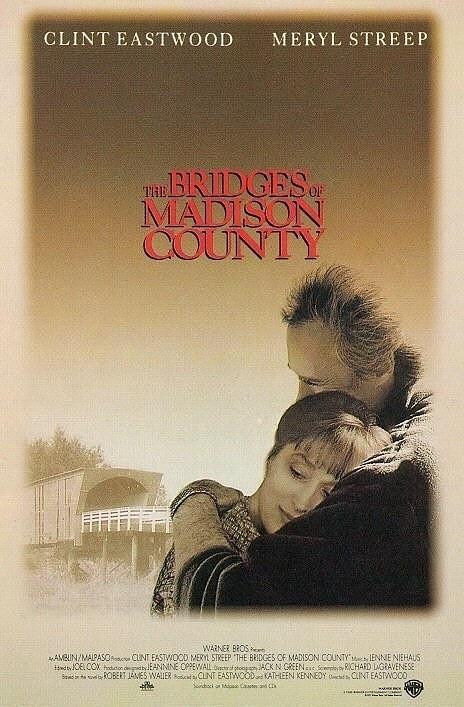
Streep was nominated for the Best Actress Oscar four times during the 1990s, the second of which was for her performance opposite director/producer/star Clint Eastwood in screenwriter Richard LaGravenese’s big-screen version of Robert James Waller’s best-selling 1992 novel, The Bridges of Madison County (1995), produced by Amblin Entertainment/Malpaso Productions and earning distributor Warner Bros. Pictures a highly profitable $182 million gross (based on estimated costs). Streep then starred in one of her few movies that proved both a critical and commercial failure in director/producer Barbet Schroeder’s crime drama, Before and After (1996), adapted by writer Ted Tally from Rosellen Brown’s 1992 novel, co-starring Liam Neeson, with Edward Furlong and Alfred Molina, but earning a poor $15 million (based on estimated costs) for Hollywood Pictures and Disney’s Buena Vista Pictures Distribution.
Meryl Streep earned another Best Actress Globe nomination for her co-starring role with Leonardo DiCaprio, Diane Keaton and Robert De Niro (who also produced) in Marvin’s Room (1996), adapted by playwrights John Guare and Scott McPherson from McPherson’s 1990 play, with Hume Cronyn, Gwen Verdon and Hal Scardino, generating excellent critical response but a muted box office $30 million for Miramax Films (based on estimated costs). Streep won a Best Actress Oscar nomination and co-starred with Renee Zellweger and William Hurt in the Carl Franklin-directed drama based on Anna Quindlen’s novel, One True Thing (1998), with Tom Everett Scott, Nicky Katt, and Lauren Graham, earning a disappointing $26.6 million (based on estimated costs) for Universal Pictures.
Streep starred in the U.S.-Ireland co-production, Dancing at Lughnasa (1998), directed by Pat O’Connor and written by Frank McGuinn, ess based on Brian Friel’s 1991 play, with Michael Gambon, Catherine McCormack, and Rhys Ifans, and which was released by Sony Pictures Classics (U.S.)/FilmFour Distributors (Ireland and U.K.) after premiering at the Venice Film Festival. Streep earned her fourth Best Actress Oscar nomination as violinist Roberta Guaspari in director/producer Wes Craven’s only non-horror movie, the biopic Music of the Heart (1999), co-starring Aidan Quinn, Gloria Estefan, Angela Bassett, Jane Leeves, Kieran Culkin, and Jay O. Sanders, and launching at the Venice Film Festival before a $15 million release for distributor Miramax Films.
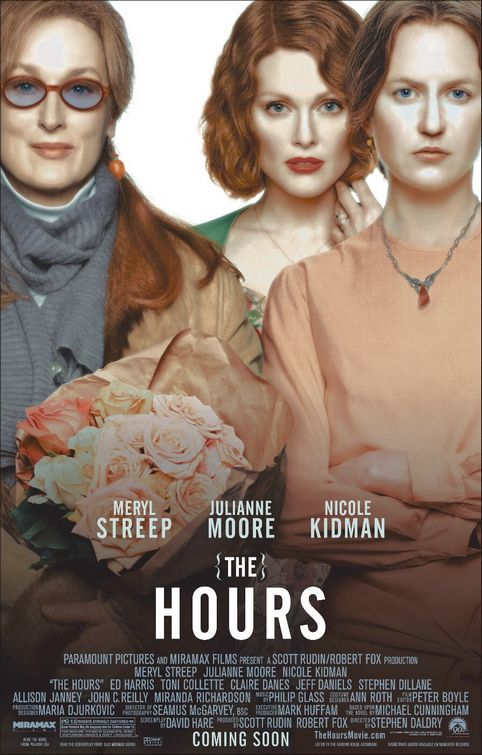
Meryl Streep did the voice of Blue Mecha in Steven Spielberg’s film version of the project created by Stanley Kubrick, A.I. Artificial Intelligence (2001), and then Streep won her first Supporting Actress Oscar nomination in 23 years for her portrayal of author Susan Orlean in Adaptation. (2002), director Spike Jonze’s and writer Charlie Kaufman’s screen version of Orlean’s acclaimed 1998 non-fiction book, The Orchid Thief, co-starring Nicolas Cage, Chris Cooper (winner of the Best Supporting Actor Oscar), Cara Seymour, Brian Cox, Tilda Swinton, Ron Livingston and Maggie Gyllenhaal, backed by lead producer Columbia Pictures and grossing nearly $33 million for Sony Pictures Releasing. Streep co-starred with Julianne Moore and Nicole Kidman (winning a Best Actress Oscar portraying Virginia Woolf) in director Stephen Daldry’s and David Hare’s acclaimed screen version of Michael Cunningham’s 1998 novel, The Hours (2002), with Ed Harris, Toni Collette, Claire Denis, Jeff Daniels, Stephen Dillane, Allison Janney, John C. Reilly and Miranda Richardson, earning nine Oscar nominations and produced by Miramax Films/Scott Rudin Productions, and which grossed a robust $108.8 million worldwide.
Streep joined the cast of Denzel Washington, Jon Voight, Kimberly Elise, Liev Schreiber, Jeffrey Wright, and Ted Levine in the Jonathan Demme-directed remake based on Richard Condon’s 1959 novel, The Manchurian Candidate (2004), co-written by Daniel Pyne and Dean Georgaris, produced by Scott Rudin Productions, and released by Paramount Pictures for a muted $96 million worldwide gross. Streep was cast in the Jim Carrey-starring Lemony Snicket’s A Series of Unfortunate Events (2004), co-starring Liam Aiken, Emily Browning, Timothy Spall, Catherine O’Hara, Billy Connolly, Cedric the Entertainer, Luis Guzman, and Meryl Streep under Brad Silberberg’s direction, earning four Oscar nominations and earning $211.5 million for Paramount Pictures (North America)/DreamWorks Pictures (International).
Meryl Streep starred in director/writer Ben Younger’s comedy-drama, Prime (2005), with Uma Thurman, Bryan Greenberg, and Jon Abrahams, produced by Jennifer and Suzanne Todd, and delivering a profitable $68 million (based on estimated costs) for Universal Pictures (U.S., Canada)/Focus Features (International). Streep appeared in a supporting role (and won the Best Supporting Actress award from the National Society of Film Critics) in her only movie with director/producer Robert Altman, the engaging big-screen version of screenwriter Garrison Keillor’s A Prairie Home Companion (2006), with the sprawling ensemble of Woody Harrelson, Tommy Lee Jones, Garrison Keillor, Kevin Kline, Lindsay Lohan, Virginia Madsen, John C. Reilly, Maya Rudolph, Lily Tomlin and L.Q. Jones, grossing a solid $26 million for distributors New Line Cinema-Picturehouse (North America)/Capitol Films (International).
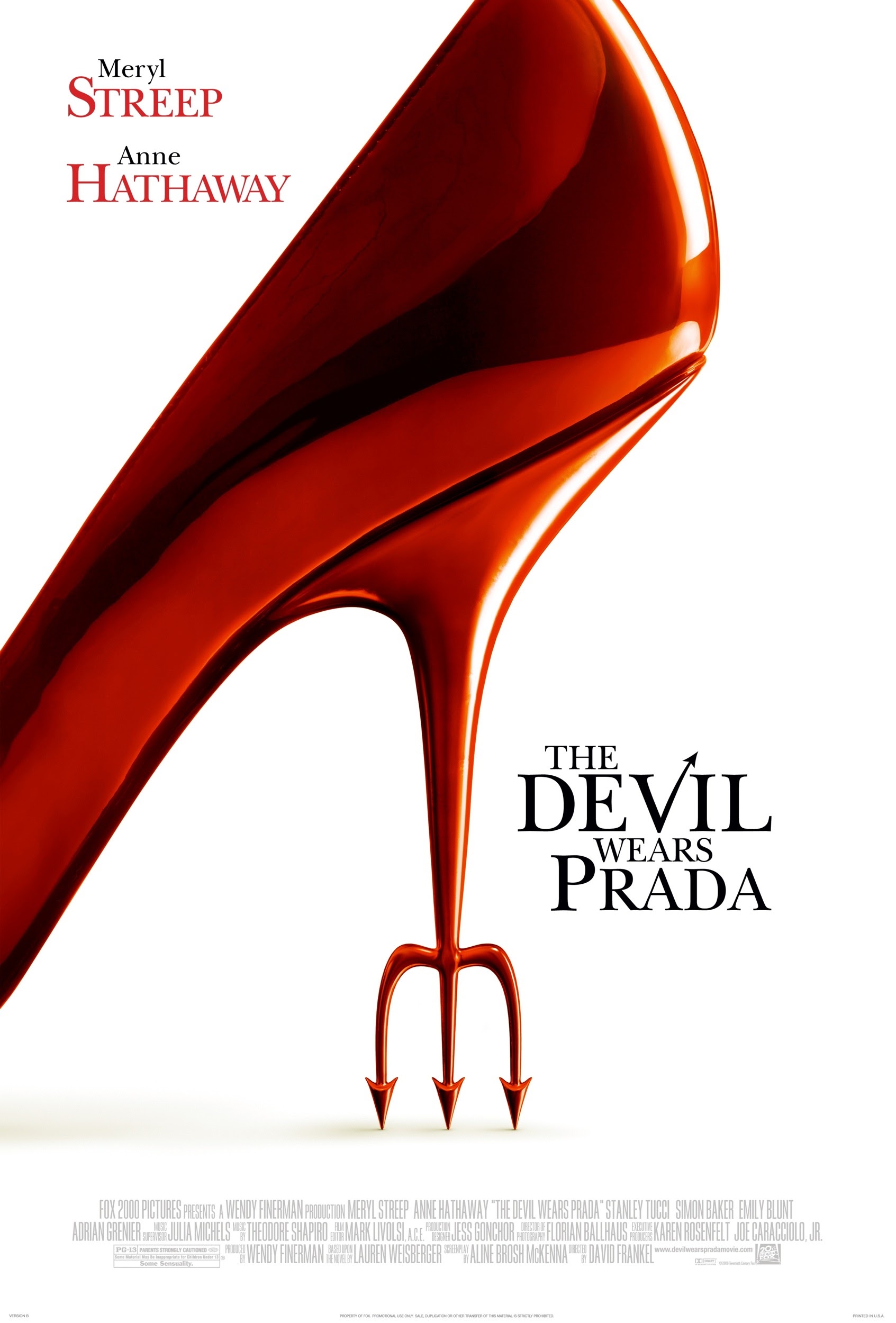
Streep earned her thirteenth Oscar nomination and broad pop cultural attention as Miranda Priestly (modelled on Vogue editor Anna Wintour) in the blockbuster comedy hit, The Devil Wears Prada (2006), based on Lauren Weisberger’s best-selling novel, co-starring Anne Hathaway, Stanley Tucci, Simon Baker, Emily Blunt and Adrian Grenier under David Frankel’s direction, and earning nearly ten times estimated costs with a $326.7 million global gross for Fox 2000 Pictures/20th Century Fox; Streep returned in the long-awaited sequel two decades later, also co-starring Hathaway and directed by Frankel, The Devil Wears Prada 2 (2026), with new cast members Emily Blunt, Justin Theroux and Kenneth Branagh, and released wide by 20th Century Studios.
Meryl Streep did a voice performance in director/writer/producer John A. Davis’s animated feature, The Ant Bully (2006), based on John Nickle’s children’s book, with the voices of Julia Roberts, Nicolas Cage, Paul Giamatti, Regina King, Bruce Campbell and Lily Tomlin, backed by Legendary Pictures/Playtone/DNA Productions and released by Warner Bros. Pictures for a $55.2 million box office. Streep starred in her first American indie film, Dark Matter (2007), co-starring Liu Ye, Aidan Qu, and Bill Irwin under Chen Shi-zheng’s direction, and which was released by First Independent Pictures after premiering at the Sundance Film Festival, where it won the Alfred P. Sloan Prize.
Streep joined the starry ensemble of director Lajos Koltai’s and co-writers Susan Minot’s and Michael Cunningham’s script adaptation of Minot’s 1998 novel, Evening (2007), starring Claire Danes, Toni Collette, Vanessa Redgrave, Patrick Wilson, Hugh Dancy, Natasha Richardson, Mamie Gummer (Streep’s daughter), Eileen Atkins and Glenn Close, and reaching $20 million box office for Focus Features. Streep appeared alongside Jake Gyllenhaal, Reese Witherspoon, Peter Sarsg,aard and Alan Arkin under Gavin Hood’s direction in Rendition (2007), produced by Level 1 Entertainment/Anonymous Content, and which premiered at the Toronto Film Festival before a New Line Cinema release and a $27 million global gross.
Meryl Streep reunited with co-star Robert Redford and with co-star Tom Cruise in director/producer Redford’s drama, Lions for Lambs (2007), with Andrew Garfield, Peter, Berg and Derek Luke, produced by MGM/UA/Wildwood Enterprises/Andell Entertainment, and released by MGM Distribution Co. (U.S.-Canada)/20th Century Fox (International) for a $63.2 million box office return. Streep starred in one of the biggest grossing movies of her career, the Phyllida Lloyd-directed jukebox musical of ABBA’s music, Mamma Mia! (2008), adapted by Catherine Johnson from her 1999 musical, co-starring Pierce Brosnan, Colin Firth, Stellan Skarsgard, Julie Walters, Dominic Cooper, Amanda Seyfried and Christine Baranski, returning a $706.4 million global gross for Universal Pictures; Streep returned in a featured supporting role in director/writer Ol Parker’s Mamma Mia! Here We Go Again (2018), with new cast members Andy Garcia, Lily James, and Cher, earned Universal a strong $402 million worldwide.
Streep was nominated once again for the Best Actress Oscar for her co-starring performance as a Catholic parish school principal in director/writer John Patrick Shanley’s Oscar nominated screen version of his 2004 play, Doubt (2008), produced by Scott Rudin and Mark Roybal, and co-starring Philip Seymour Hoffman, Amy Adams and Viola Davis, launching at the AFI Los Angeles Fest before grossing $51.7 million for Miramax Films. Streep again enjoyed a second year-over-year consecutive Best Actress Oscar nomination for her stellar portrayal of Julia Child in director/writer/producer Nora Ephron’s biopic comedy, Julie & Julia (2009), co-starring Amy Adams, Stanley Tucci, Chris Messina, Linda Emond, backed primarily by Columbia Pictures and released by Sony Pictures Releasing to an excellent $129.5 million worldwide return (based on estimated costs).
Meryl Streep delivered one of her best voice performances in Wes Anderson’s brilliant stop-motion animated movie of Roald Dahl’s Fantastic Mr. Fox (2009), co-written by Noah Baumbach in which Streep was joined by voice actors George Clooney (in the title role), Jason Schwartzman, Bill Murray, Willem Dafoe and Owen Wilson, backed primarily by 20th Century Fox Animation and Indian Paintbrush and distributed by 20th Century Fox for a $58 million box office return. Streep starred with Steve Martin and Alec Baldwin in director/writer/producer Nancy Meyers’ rom-com, It’s Complicated (2009), with John Krasinski, Mary Kay Place, and Rita Wilson, and which proved to be a profitable release for Universal Pictures (based on estimated costs) with a $219 million global gross.
Streep had her first Best Actress Oscar win in 29 years (and a career third) for her portrayal of British Prime Minister Margaret Thatcher in the U.K.-French biopic co-production, The Iron Lady (2011), co-starring Jim Broadbent, Olivia Colman, Richard E. Grant and Angus Wright under Phyllida Lloyd’s direction, written by Abi Morgan and loosely adapted from John Campbell’s biography, and which delivered stellar box office ($116 million globally) for 20th Century Fox and Pathe Distribution (France). Streep co-starred in another commercially successful comedy and reunited with Devil Wears Prada director David Frankel for Hope Springs (2012), co-starring Tommy Lee Jones and Steve Carell, written by Vanessa Taylor, produced primarily by Columbia Pictures and grossing a robust $114.3 million for Sony Pictures Releasing (U.S.-Canada)/Lionsgate (International).
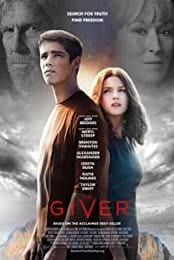
Meryl Streep was again nominated for the Best Actress Oscar and led the fine ensemble of screenwriter/playwright Tracy Letts’ screen version of his 2007 Pulitzer Prize-winning play, August: Osage County (2013), co-starring Julia Roberts, Ewan McGregor, Chris Cooper, Abigail Breslin, Benedict Cumberbatch, Juliette Lewis, Margo Martindale, Dermot Mulroney, Julianne Nicholson and Misty Upham under John Wells’s direction, produced by George Clooney, Grant Heslov, Jean Doumanian and Steve Traxler, premiering at the Toronto Film Festival and which grossed over $74 million for distributor The Weinstein Company. Streep played a supporting role in the Phillip Noyce-directed The Giver (2014), led by Jeff Bridges, Brenton Thwaites, Odeya Rush, Alexander Skarsgard, Katie Holmes, Cameron Monaghan, Taylor Swift,t and Emma Tremblay, based on Lois Lowry’s 1993 Y.A. novel and delivering a good box office return (based on estimated costs) of $67 million for The Weinstein Company.
Streep reunited with Tommy Lee Jones, who was star/director/co-writer of the Western, The Homesman (2014), based on Glendon Swarthout’s 1988 novel, co-starring Hilary Swank, Tim Blake Nelson, Grace Gummer (Streep’s daughter), Miranda Otto, John Lithgow, James Spader, Hailee Steinfeld, Jesse Plemons and William Fichtner, launching in the Cannes Film Festival’s main competition but losing money (based on estimated costs) with an $8.2 million global gross for distributors Roadside Attractions/Saban Films (U.S.)/EuropaCorp Distribution (France). Streep received another consecutive Oscar nomination (this time with her fourth Supporting Actress nod) for her turn as The Witch in director/producer Rob Marshall’s big-screen version for Disney of Stephen Sondheim’s fairy tale musical, Into the Woods (2014), adapted by the musical co-book writer, James Lapine, co-starring the ensemble of Emily Blunt, James Corden, Anna Kendrick, Chris Pine, Tracey Ullman, Christine Baransky and Johnny Depp, and delivering a profitable $213 million global gross (based on estimated costs).
Meryl Streep played a rock n’ roller as she joined director Jonathan Demme for his final narrative movie, the rock n’ roll comedy-drama, Ricki and the Flash (2015), written and co-produced by Diablo Cody, featuring Mamie Gummer, Kevin Kline, Sebastian Stan, Rick Springfield and Audra McDonald, receiving mixed reviews and box office with a $41.3 worldwide gross for lead producer TriStar Pictures and Sony Pictures Releasing. Streep jumped to the past in a supporting role with Carey Mulligan, Helena Bonham-Carter, Brendan Gleeson, Anne-Marie Duff, and Ben Whishaw in the Sarah Gavron-directed British historical drama, Suffragette (2015), written by Abi Morgan, premiering at the Telluride Film Festival and delivering a good $38 million global box office for distributors Focus Features (U.S.)/20th Century Fox (U.K.).
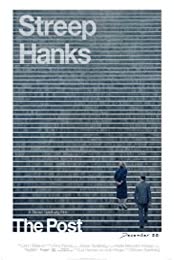
Streep landed another Best Actress Oscar nomination in her astonishing Oscar run (her 20th overall) in a consecutive British-made historical biopic, the Stephen Frears-directed comedy-drama Florence Foster Jenkins (2016), co-starring Hugh Grant, Simon Helberg, Rebecca Ferguson and Nina Arianda, co-produced in the U.K./France and grossing $56 million worldwide for distributors 20th Century Fox (U.S.)/Pathe Distribution (France). Streep received her 21st Oscar nomination for Best Actress in her nuanced portrayal of Washington Post publisher Katharine Graham in director/producer Steven Sondheim’s solid Best Picture-nominated docu-drama, The Post (2017), co-starring Tom Hanks, with Sarah Paulson, Bob Odenkirk, Tracy Letts, Bradley Whitford, David Cross, Bruce Greenwood, Carrie Coon, Alison Brie and Matthew Rhys, co-written by Josh Singer and Liz Hannah, backed primarily by 20th Century Fox/DreamWorks Pictures/Amblin Entertainment/Pacal Pictures and returning $180 million worldwide box office for 20th Century Fox.
Meryl Streep reunited with director/producer Rob Marshall for a colorful supporting turn in the sequel for Walt Disney Pictures, Mary Poppins Returns (2018), led by a stellar Emily Blunt in the title role, co-starring Lin-Manuel Miranda, Ben Whishaw, Emily Mortimer, Julie Walters, Dick Van Dyke, Angela Lansbury, Colin Firth and David Warner, written by David Magee, music by Oscar-nominated Marc Shaiman, and proving to be a mildly profitable release (based on estimated costs) with a roughly $350 million global return. Streep tackled a post-modern performance (playing both fictional characters and herself) in her first movie under Steven Soderbergh’s direction, The Laundromat (2019), adapted by screenwriter/producer Scott Z. Burns from Jake Bernstein’s investigative book, Secrecy World, co-starring Gary Oldman, Antonio Banderas, Jeffrey Wright, Robert Patrick, David Schwimmer, Matthias Schoenaerts, James Cromwell and Sharon Stone, and which was given a limited theatrical release by Netflix after launching at the Venice Film Festival.
Streep lent a gentle touch to her supporting performance in director/writer Greta Gerwig’s superb screen version—nominated for six Oscars including Best Picture--of Louisa May Alcott’s 1868 classic, Little Women (2019), with the magnificent cast of Saoirse Ronan, Emma Watson, Florence Pugh, Eliza Scanlen, Laura Dern, Timothee Chalamet, Tracy Letts, Bob Odenkirk, James Norton, Louis Garrel and Chris Cooper, produced by Amy Pascal, Denise Di Novi and Robin Swicord and premiering at the Museum of Modern Art before a terrific release (based on estimated costs) of $220 million globally for Sony Pictures Releasing. Streep reunited with co-stars James Corden and Nicole Kidman in director/producer Ryan Murphy’s screen version of the Chad Beguelin/Bob Martin/Matthew Sklar musical, The Prom (2020), with Keegan-Michael Key, Ariana DeBose, Tracey Ullman, Mary Kay Place, and Kerry Washington, and received a limited theatrical window by distributor/streamer Netflix.
Meryl Streep delivered one of her most caustic, satirical comedy performances as the U.S. President (capped with a stunning ending) in director/writer/producer Adam McKay’s Oscar-nominated (including Best Picture) black comedy, Don’t Look Up (2021), featuring a brilliant ensemble including Leonardo DiCaprio, Jennifer Lawrence, Rob Morgan, Jonah Hill, Mark Rylance, Tyler Perry, Timothee Chalamet, Ron Perlman, Ariana Grande, Kid Cudi and Cate Blanchett, and which was released in limited pattern by Netflix before streaming. Streep returned to the big screen after a five-year break as the voice of The Insect Queen in Disney/Pixar’s original animated feature, Hoppers (2026), directed by Daniel Chong and written by Jesse Andrews and Chong, with the voices of Piper Curda, Bobby Moynihan, Jon Hamm, Kathy Najimy, Dave Franco, Melissa Villasenor, Isaiah Whitlock Jr. and Ego Nwodim, and supported by both critics and audiences to a $367 million global gross.
Streep reunited with director/writer Greta Gerwig for a supporting role in Narnia: The Magician’s Nephew (2026), the fourth film adaptation of C.S. Lewis’s The Chronicles of Narnia series, with Emma Mackey, Carey Mulligan, and Daniel Craig, and released theatrically by Netflix before streaming.


Personal life
Meryl Streep was born in Summit, New Jersey, and raised in Basking Ridge, New Jersey, and Bernardsville, New Jersey, by her mother, Mary (a commercial artist), and her father, Harry (a pharmaceutical company executive). Streep attended and graduated from Vassar College with a B.A. in Drama cum laude in 1971 and then graduated with a Master of Fine Arts degree from the Yale School of Drama in 1975; Streep was also a visiting student at Dartmouth College in 1970 and later received an honorary Doctor of Arts degree from Dartmouth in 1981. Streep was a partner with actor John Cazale from 1976 to 1978 and then was married to artist Don Gummer from 1978 to 2017, when they separated; the couple has four children: Henry (singer-songwriter, actor), Grace, Mamie, and Louisa (all actors); Streep has been a partner with actor-comedian Martin Short since 2024. Streep’s height is 5’ 6”. Streep’s estimated net worth is $100 million.
Known For
Out of Africa
(1985)
Sophie's Choice
(1982)
The Devil Wears Prada
(2006)
Meryl Streep Movies
actor
Upcoming (1)
- 2026 |
The Devil Wears Prada 2
asMiranda Priestly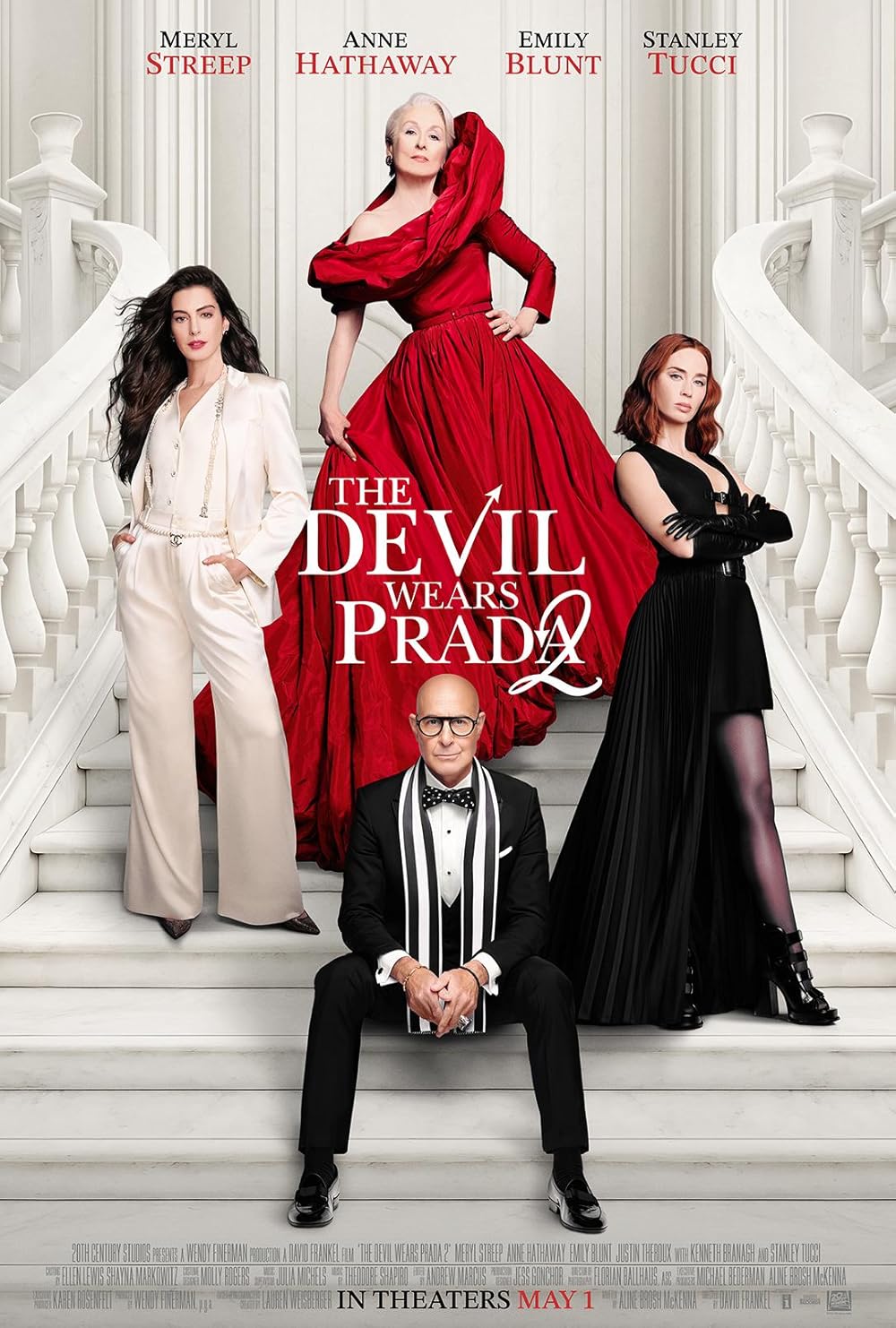
As Miranda Priestly nears retirement, she reunites with Andy Sachs to face off against her former assistant turned rival: Emily Charlton.
Previous (83)
- 2026 |
- 2024 | Escape from Extinction Rewilding
- 2021 |
Don’t Look Up
asPresident Orlean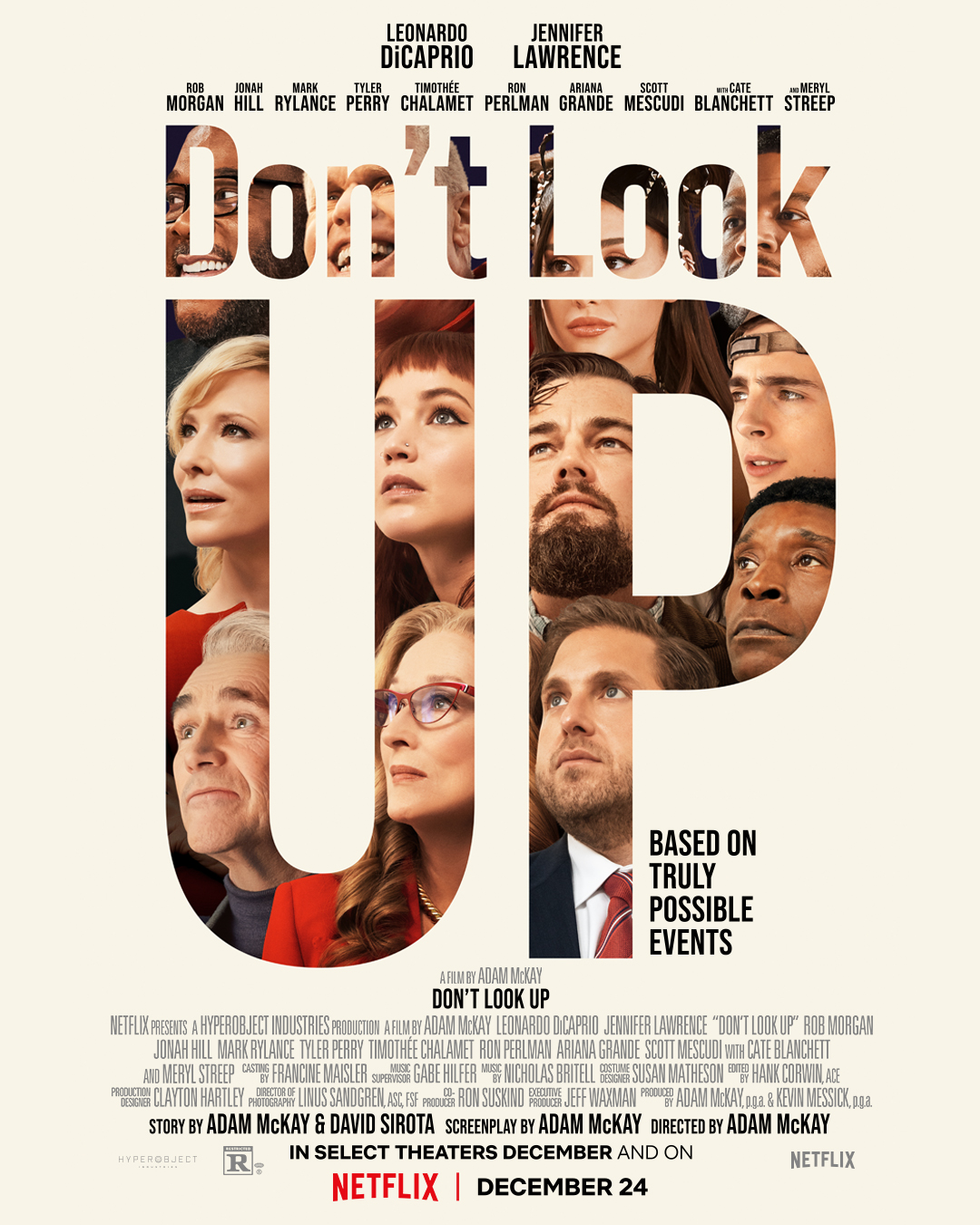
Two low-level astronomers must go on a giant media tour to warn humankind of an approaching comet that will destroy planet Earth.
- 2021 |
- 2020 | Let Them All Talk
- 2020 | The Prom
- 2019 | Alan Pakula: Going for Truth
- 2019 | Rose McGowan: Being Brave
- 2019 | The Laundromat
- 2019 |
Little Women
asAunt March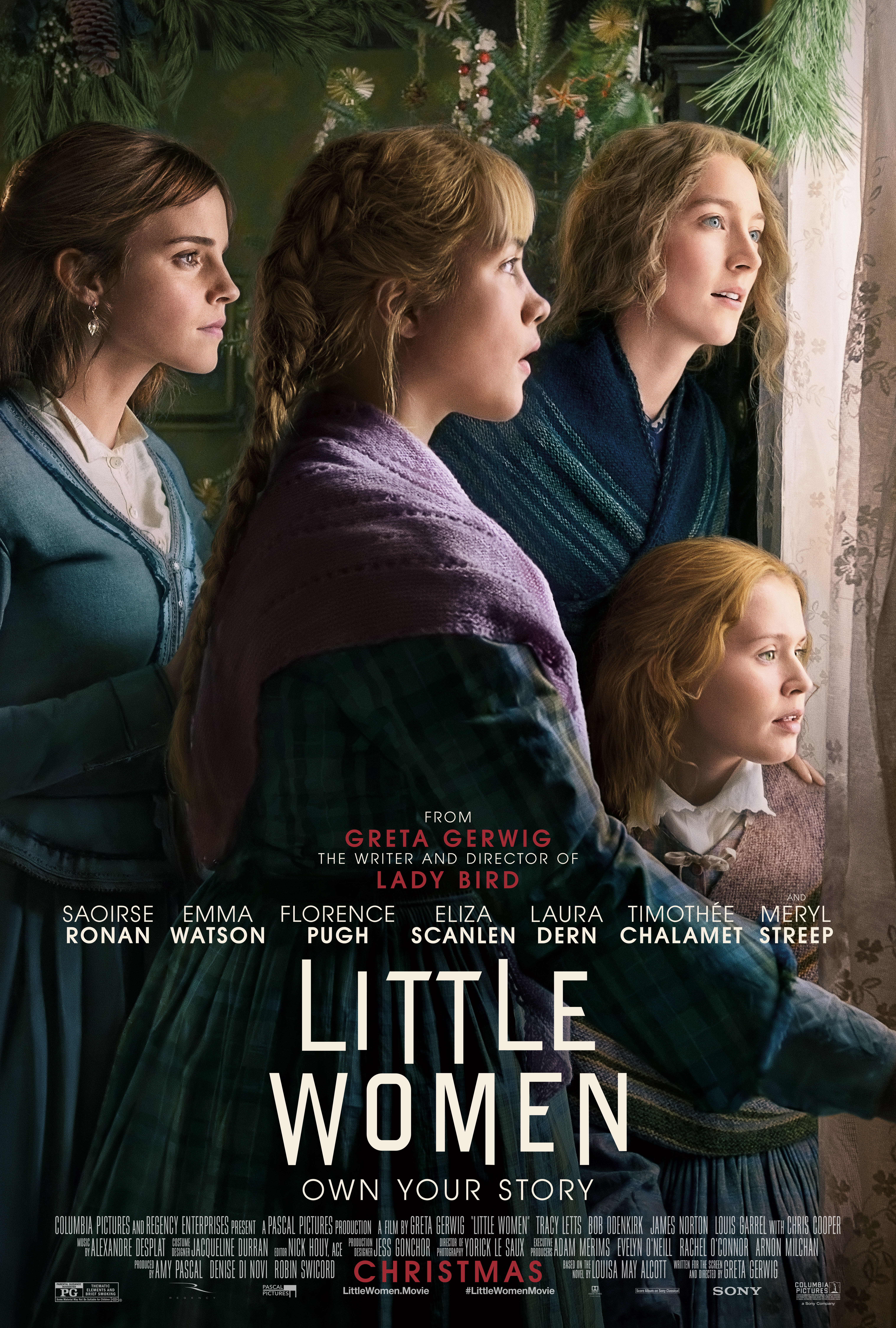
19th century Massachusetts. While the March sisters - Jo, Meg, Amy, and Beth - enter the threshold of womanhood, they go through many ups and downs in life and endeavor to make important decisions that can affect their future.
- 2019 |
This Changes Everything
asSelf
An investigative look and analysis of gender disparity in Hollywood, featuring accounts from well-known actors, executives and artists in the Industry.
- 2018 |
Mary Poppins Returns
asCousin Topsy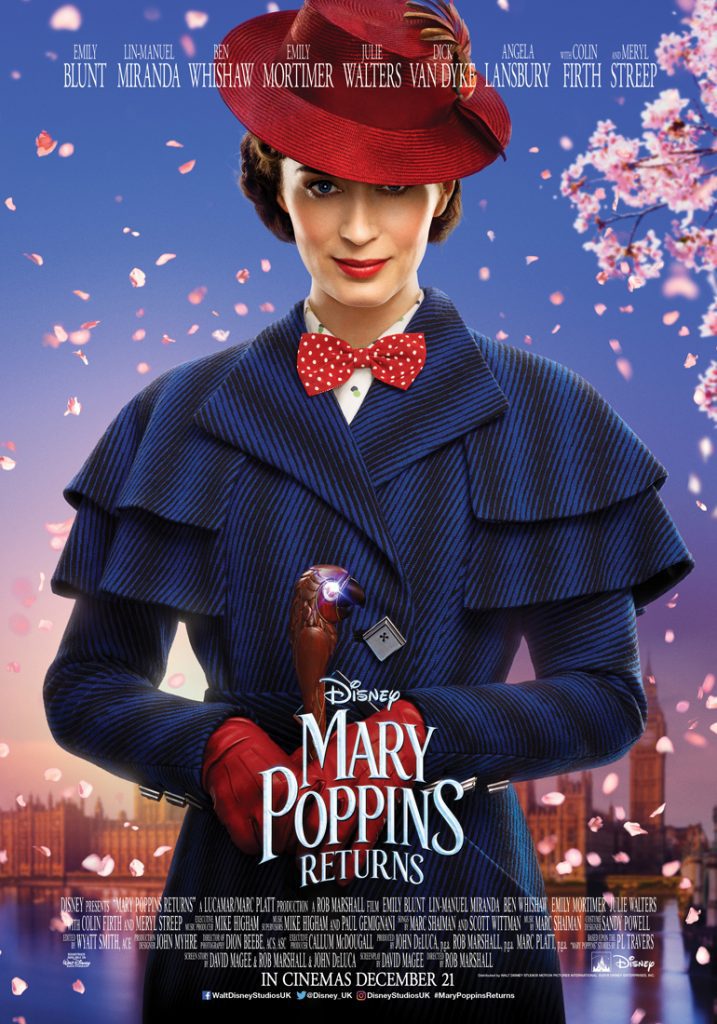
A few decades after her original visit, Mary Poppins, the magical nanny, returns to help the Banks siblings and Michael's children through a difficult time in their lives.
- 2018 |
Mamma Mia! Here We Go Again
asDonna
Five years after the events of Mamma Mia! (2008), Sophie prepares for the grand reopening of the Hotel Bella Donna as she learns more about her mother's past.
- 2017 |
- 2016 | Everybody Knows... Elizabeth Murray
- 2016 |
Florence Foster Jenkins
asFlorence Foster Jenkins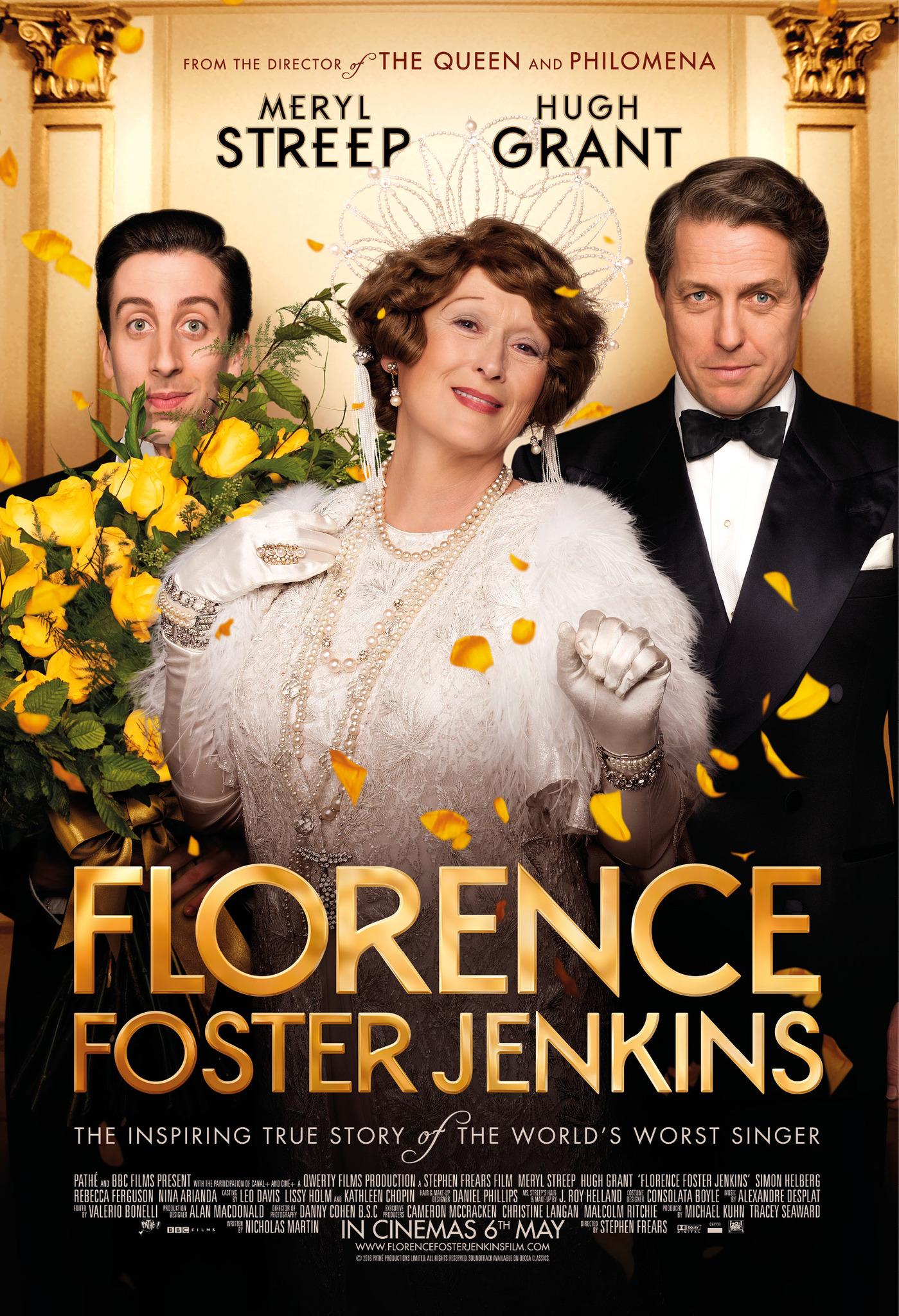
The story of Florence Foster Jenkins, a New York heiress who dreamed of becoming an opera singer, despite having a terrible singing voice.
- 2015 | Everything Is Copy
- 2015 |
Suffragette
asEmmeline Pankhurst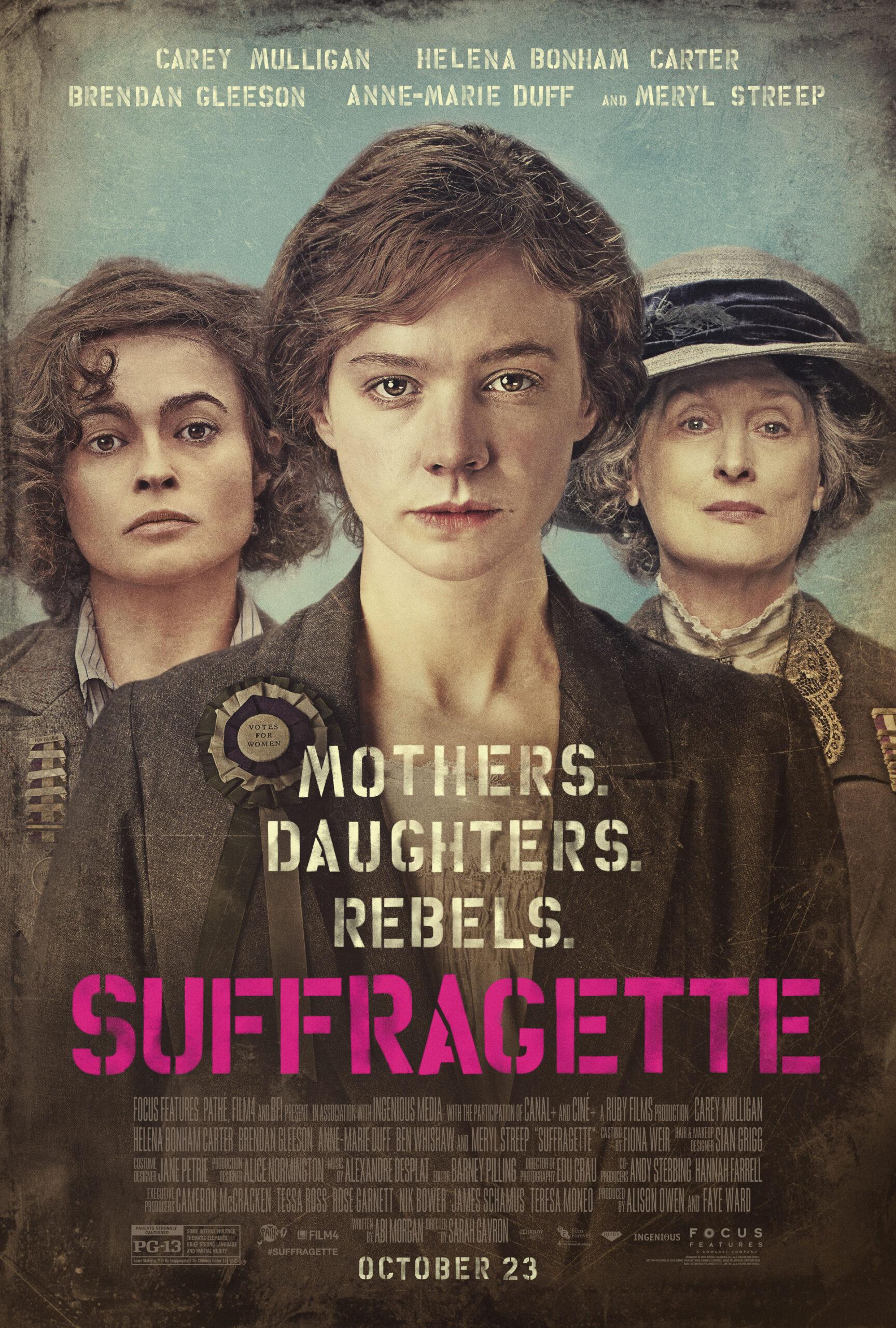
In 1912 London, a young working mother is galvanized into radical political activism supporting the right for women to vote, and is willing to meet violence with violence to achieve this end.
- 2015 |
Ricki and the Flash
asRicki
It's been a roller-coaster ride for Ricki, a one-time wife and mother of three who left them all behind to follow her dreams of rock 'n' roll stardom. Now, Ricki must face the music when she returns home to reconnect with her family.
- 2014 |
Into the Woods
asWitch
A witch tasks a childless baker and his wife with procuring magical items from classic fairy tales to reverse the curse put on their family tree.
- 2014 |
- 2013 |
August: Osage County
asViolet Weston
A look at the lives of the strong-willed women of the Weston family, whose paths have diverged until a family crisis brings them back to the Oklahoma house they grew up in, and to the dysfunctional woman who raised them.
- 2012 | A Fierce Green Fire: The Battle for A Living Planet
- 2012 | Joe Papp in Five Acts
- 2012 |
Hope Springs
asKay
After thirty years of marriage, a middle-aged couple attends an intense, week-long counseling session to work on their relationship.
- 2012 |
To the Arctic 3D
asNarrator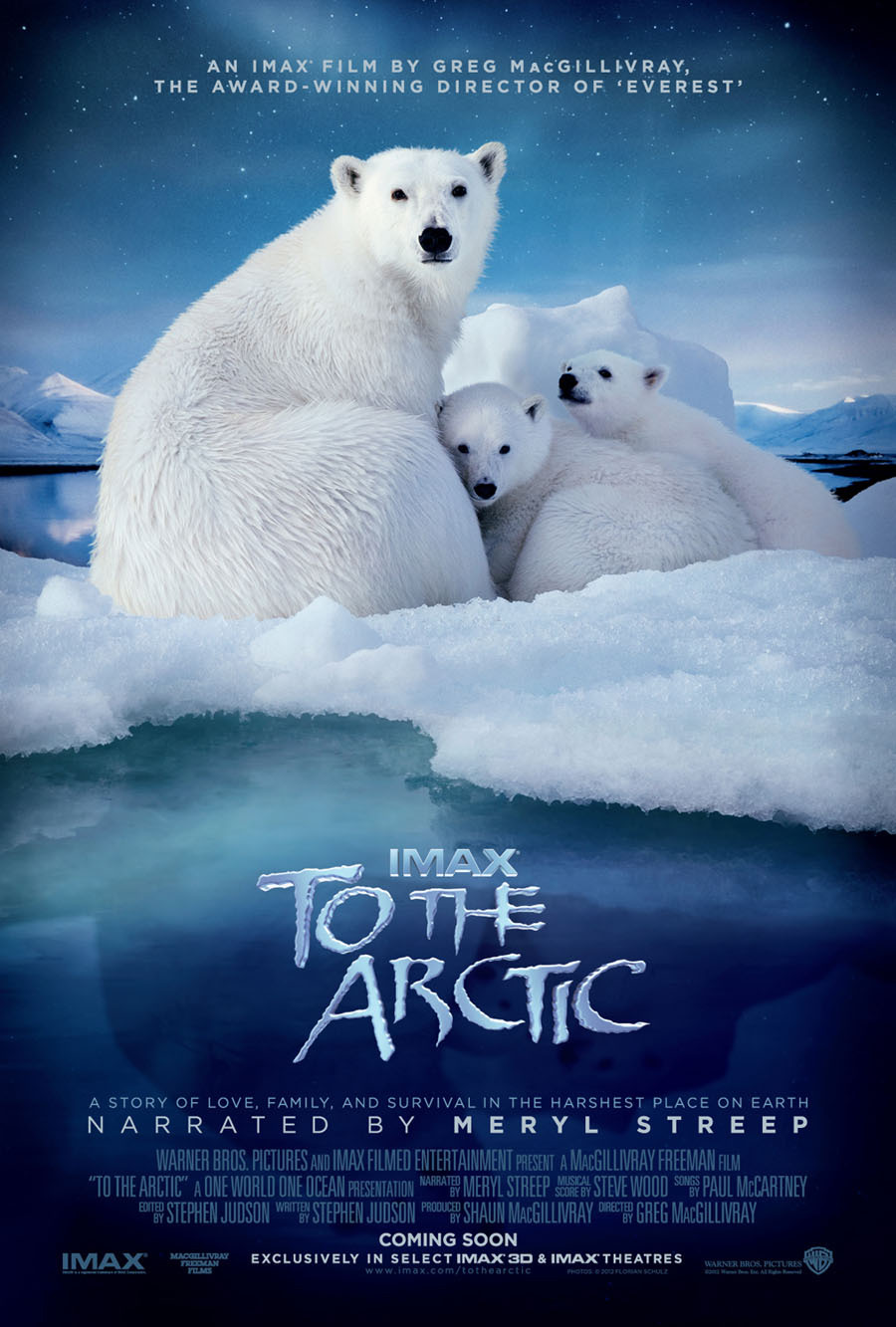
A journey into the lives of a mother polar bear and her two seven-month-old cubs as they navigate the changing Arctic wilderness they call home.
- 2011 | Disneynature: Wings of Life
- 2011 | The Iron Lady
- 2009 | It's Complicated
- 2009 | Fantastic Mr. Fox
- 2009 | Julie & Julia
- 2008 | Theater of War
- 2008 | Doubt
- 2008 |
Mamma Mia!
asDonna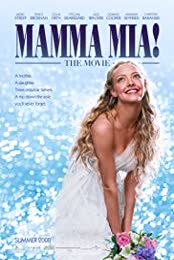
Donna, an independent hotelier, is preparing for her daughter's wedding with the help of two old friends. Meanwhile Sophie, the spirited bride, has a plan. She invites three men from her mother's past in hope of meeting her real father.
- 2007 | Dark Matter
- 2007 | Ocean Voyagers
- 2007 | Lions for Lambs
- 2007 | Rendition
- 2007 | Evening
- 2006 | The Ant Bully
- 2006 | The Devil Wears Prada
- 2006 |
The Devil Wears Prada
asMiranda Priestly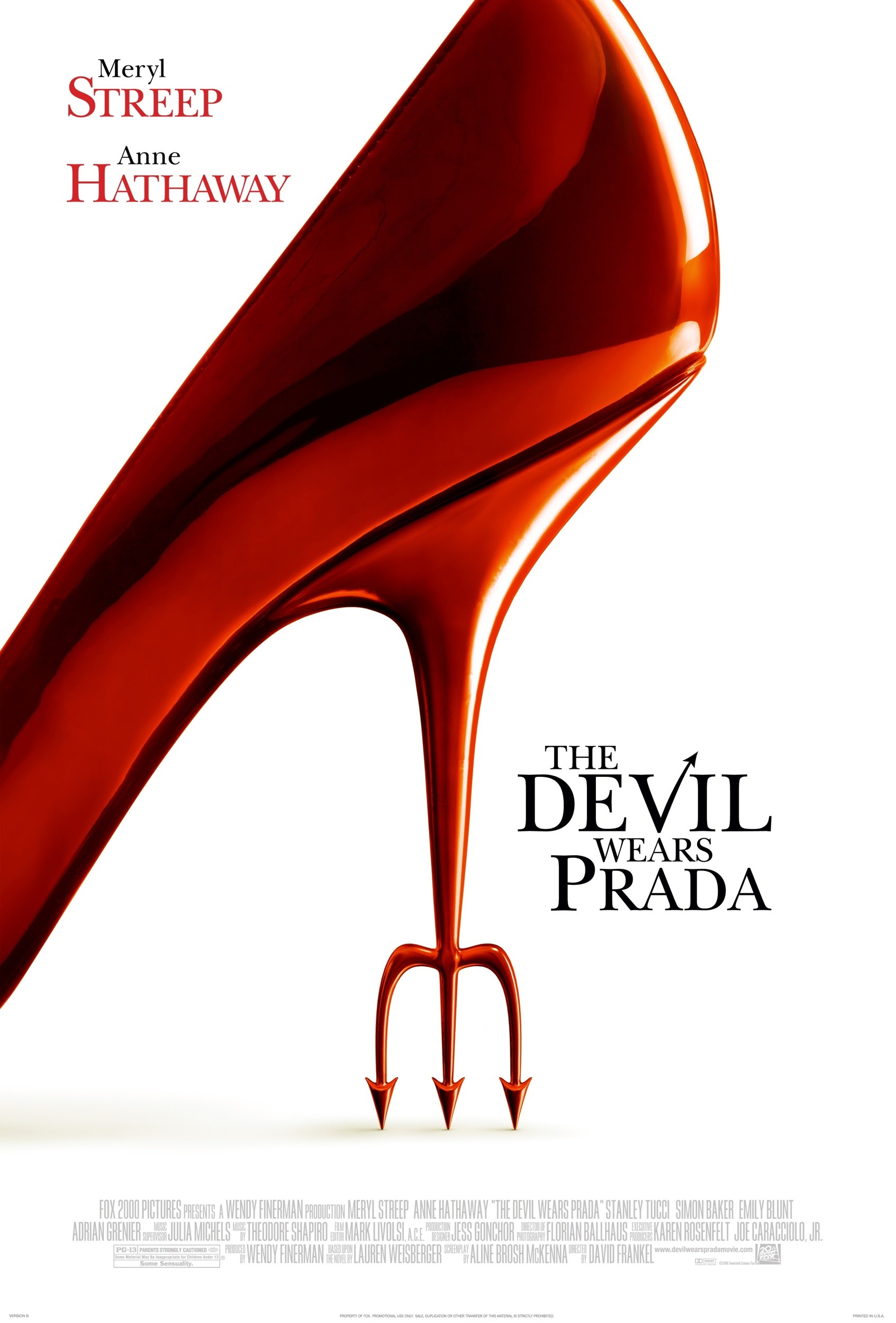
With an aspiration to become a journalist, Andy, a smart but sensible young graduate, travels to New York. She starts working as an assistant to one of the city's biggest high fashion magazine editors, the cynical Miranda Priestly.
- 2006 | A Prairie Home Companion
- 2005 | Karen Blixen: Out of This World
- 2005 | Prime
- 2005 | Stolen Childhoods
- 2004 | A Series of Unfortunate Events
- 2004 | The Manchurian Candidate
- 2002 |
- 2002 | Adaptation.
- 1999 | Ginevra's Story: Solving the Mysteries of Leonardo da Vinci's First Known Portrait
- 1999 | Music of the Heart
- 1998 | Eternal Memory: Voices from the Great Terror
- 1998 | Dancing at Lughnasa
- 1998 | One True Thing
- 1996 | Marvin's Room
- 1996 | Before and After
- 1995 |
- 1994 | The River Wild
- 1993 | The House of the Spirits
- 1992 | Death Becomes Her
- 1992 |
- 1991 | Defending Your Life
- 1991 |
Defending Your Life
asJulia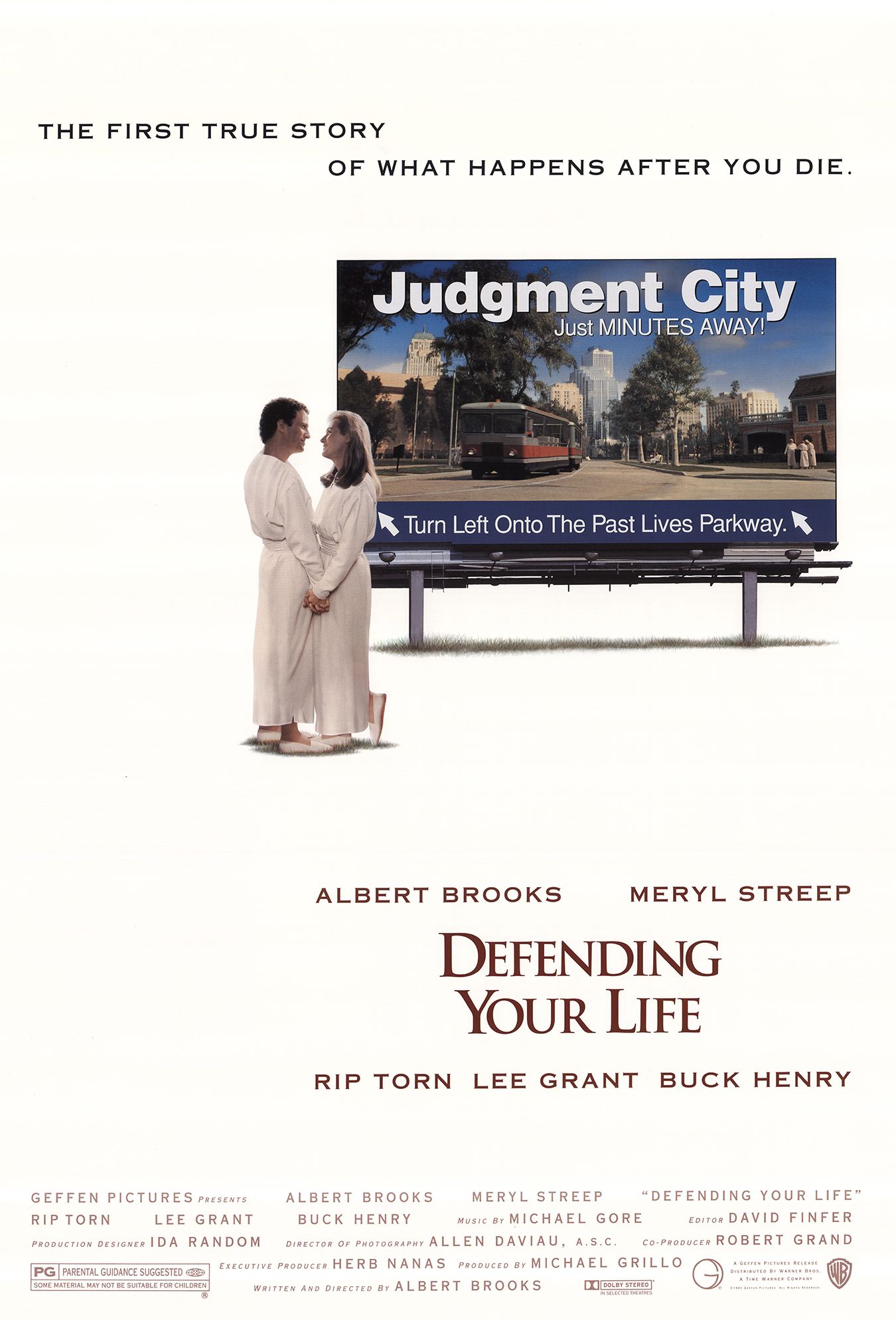
Defending Your Life
In an afterlife way-station resembling a major city, the lives of the recently deceased are examined in a court-like setting.
- 1990 |
Postcards from the Edge
asSuzanne Vale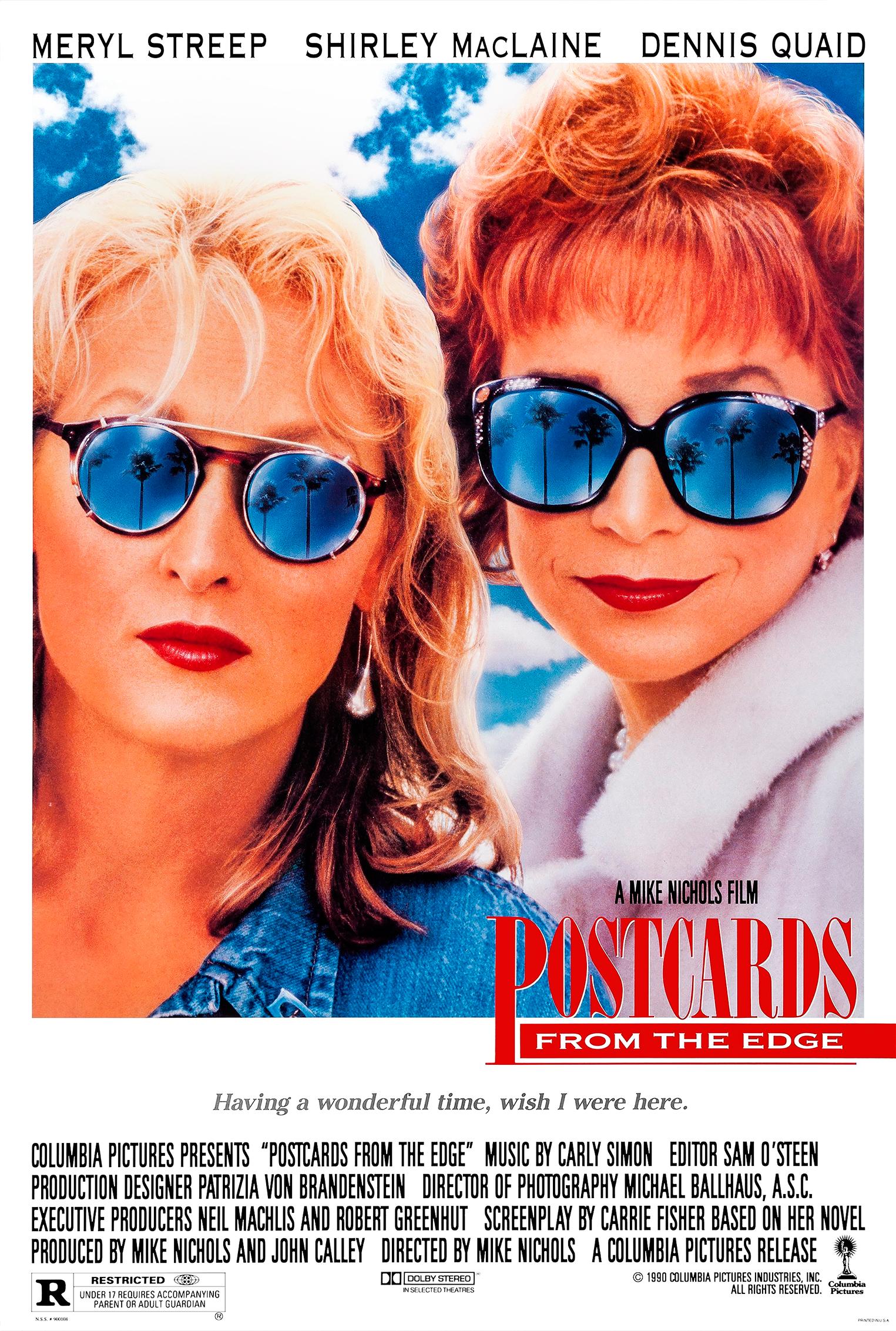
A substance-addicted actress tries to look on the bright side even as she is forced to move back in with her mother to avoid unemployment.
- 1989 | She-Devil
- 1988 | A Cry in the Dark
- 1987 | Ironweed
- 1986 | Heartburn
- 1985 | Power Struggle
- 1985 | Out of Africa
- 1985 |
Out of Africa
asKaren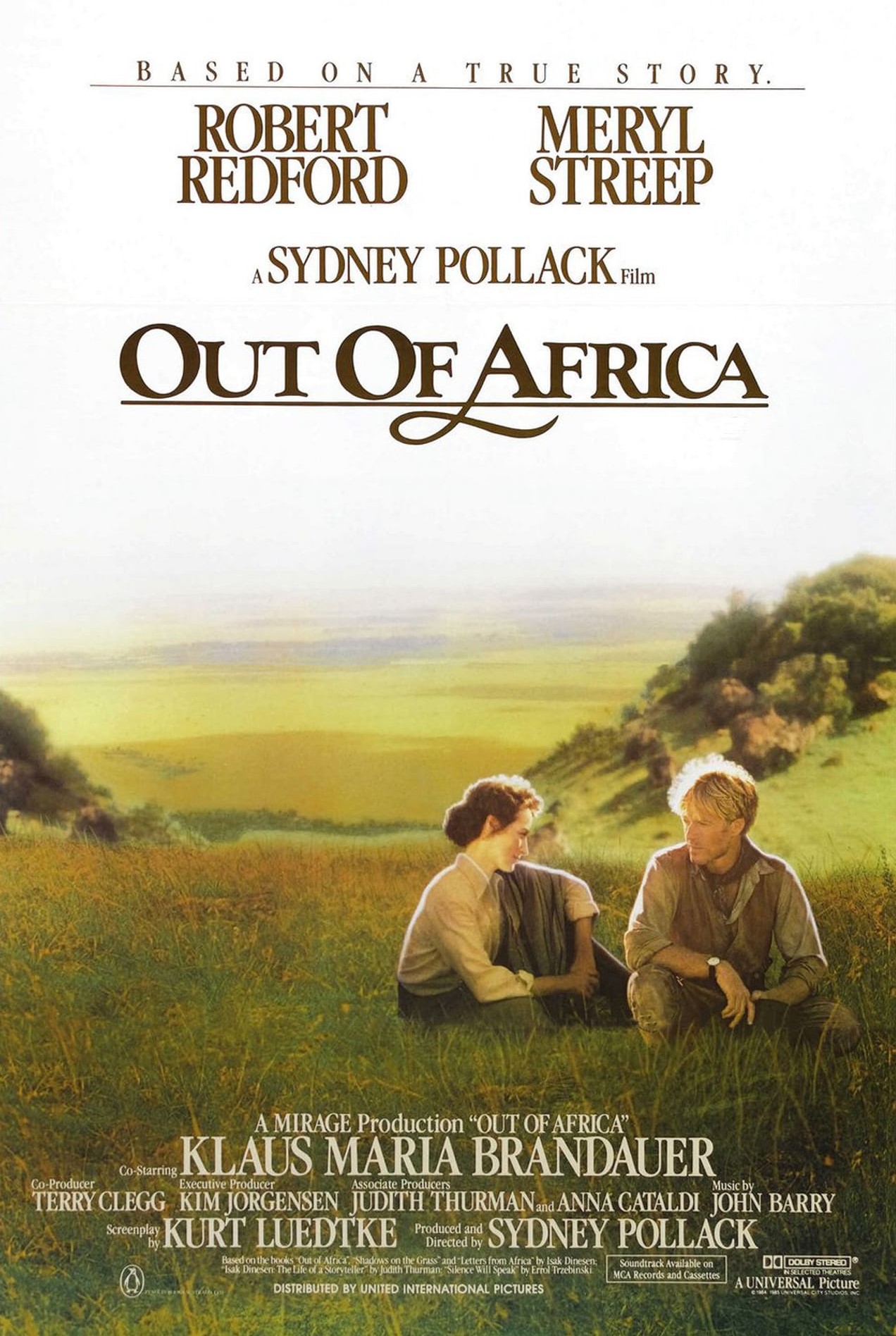
In 20th-century colonial Kenya, a Danish baroness/plantation owner has a passionate love affair with a free-spirited big-game hunter.
- 1985 | Plenty
- 1984 | Falling in Love
- 1983 | Silkwood
- 1982 | Sophie's Choice
- 1982 | Still of the Night
- 1981 | The French Lieutenant's Woman
- 1979 | Kramer vs. Kramer
- 1979 |
Kramer vs. Kramer
asJoanna Kramer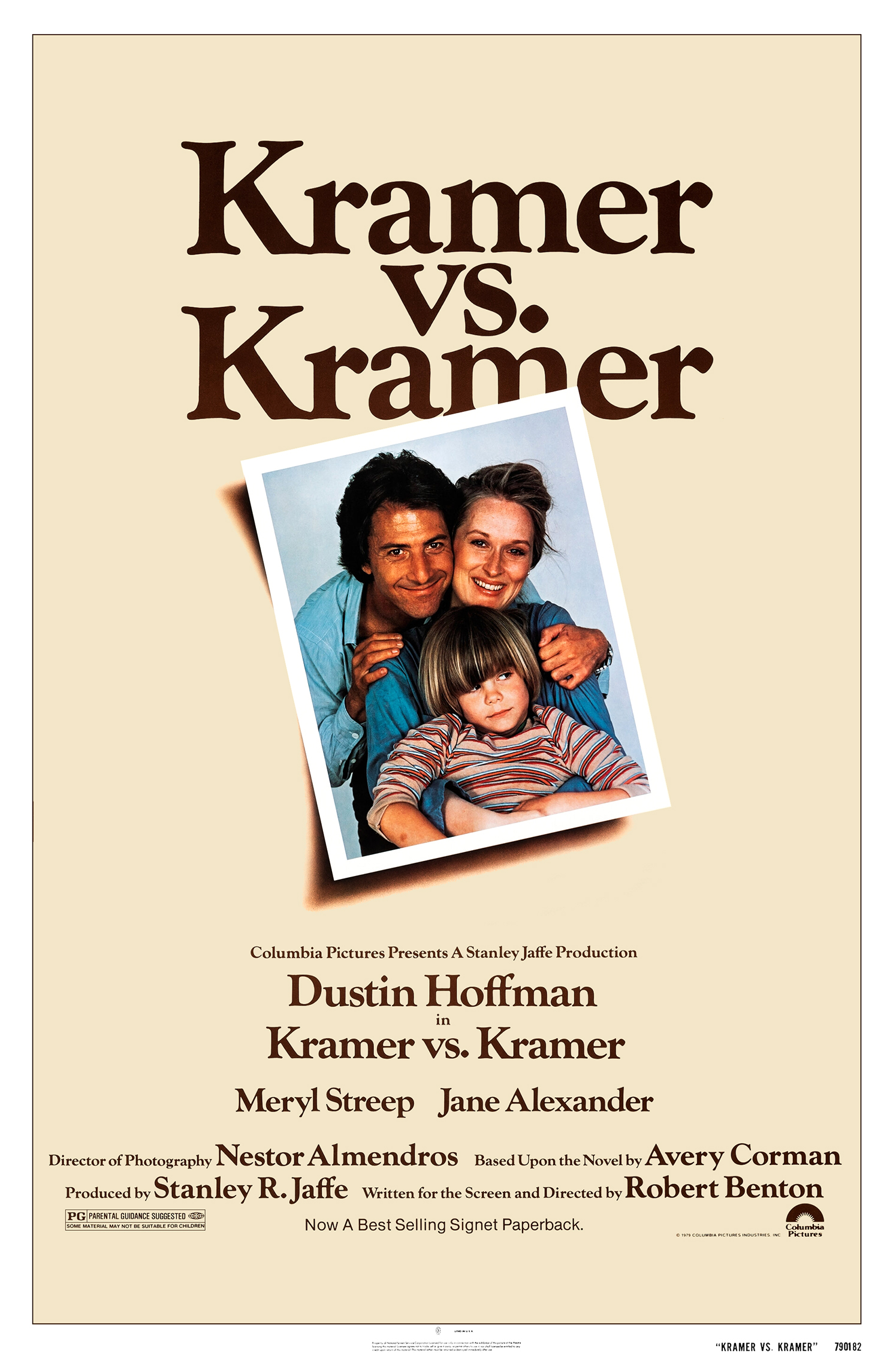
After his wife leaves him, a work-obsessed Manhattan advertising executive is forced to learn long-neglected parenting skills, but a heated custody battle over the couple's young son deepens the wounds left by the separation.
- 1979 | The Seduction of Joe Tynan
- 1979 | Manhattan
- 1978 |
The Deer Hunter
asLinda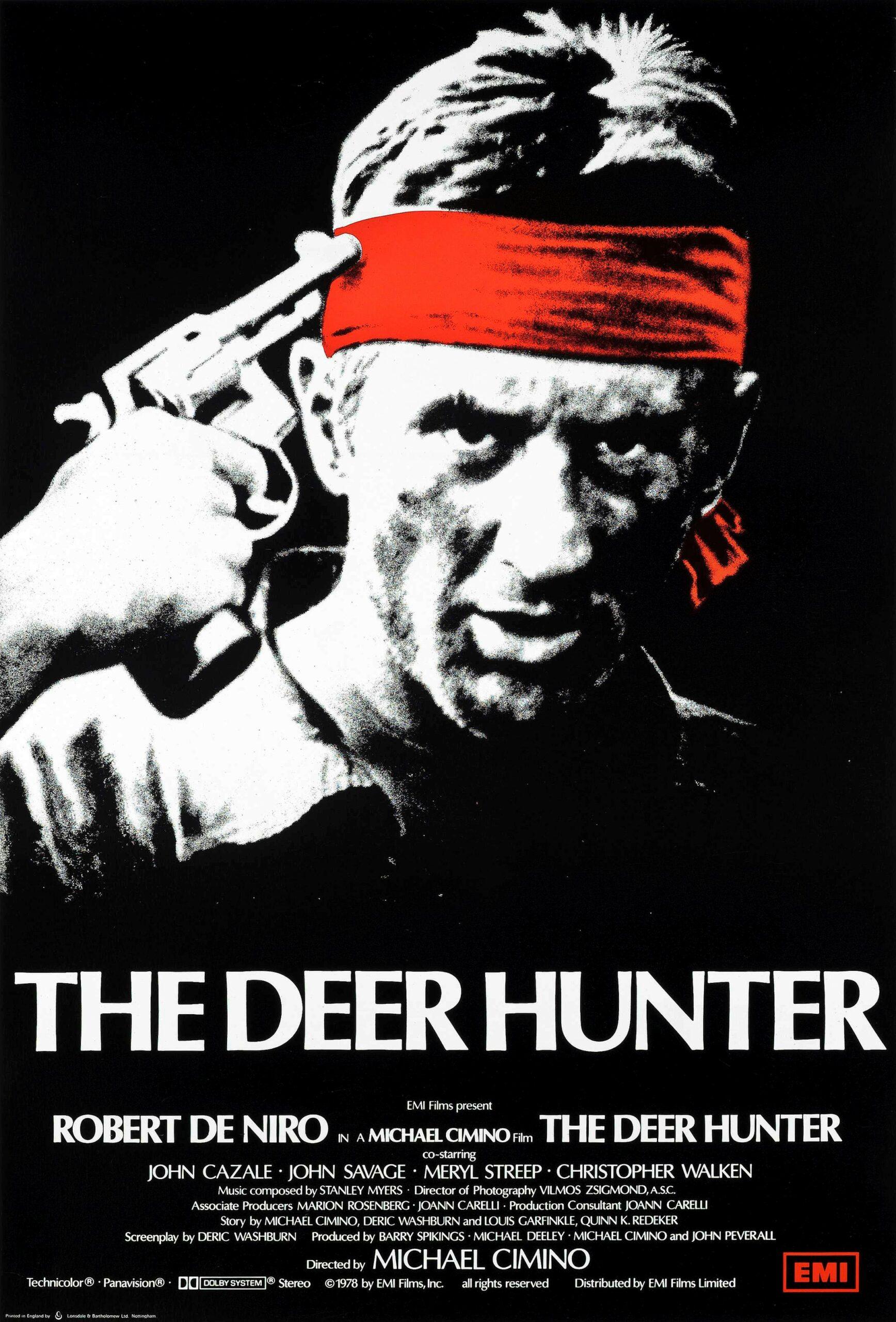
An in-depth examination of the ways in which the Vietnam War impacts and disrupts the lives of several friends in a small steel mill town in Pennsylvania.


Facts About Meryl Streep
Record Holder: Meryl Streep has more Academy Award nominations (21) and more Golden Globe Award nominations (32) than any other performer and holds the Guinness World Record as the highest-grossing leading actress in musical films at the global box office.
Opera First: Streep’s first performing ambitions were not in the theater or cinema, but in opera, though she became more interested in theater when she studied acting at Vassar College.
Portrayer of History: Meryl Streep has a notable body of work portraying historical figures, including Margaret Thatcher, Ethel Rosenberg, Karen Silkwood, Julia Child, Karen Blixen, Susan Orlean, Robert Guaspari, and Lindy Chamberlain.
On Receiving the AFI Lifetime Achievement Award: “I don’t want to spit in the eye of good fortune, but it was weird (to be the recipient). I felt like I’d butted in line in front of Lucille Ball, Audrey Hepburn, and Katharine Hepburn. Hello? How did this happen? I was only the sixth woman to receive it, but they found 26 men to give it to. I thought that was embarrassing.”

People Also Searched For